Sea level rise projections depend on improved bedrock models
A new study uses the latest maps of the structure beneath Antarctica to see how important realistic crust and mantle information is to sea level rise. The answer? It’s pretty important.
Here in the News & Features section, you can find important announcements or learn more about our work and the science we support.
A new study uses the latest maps of the structure beneath Antarctica to see how important realistic crust and mantle information is to sea level rise. The answer? It’s pretty important.
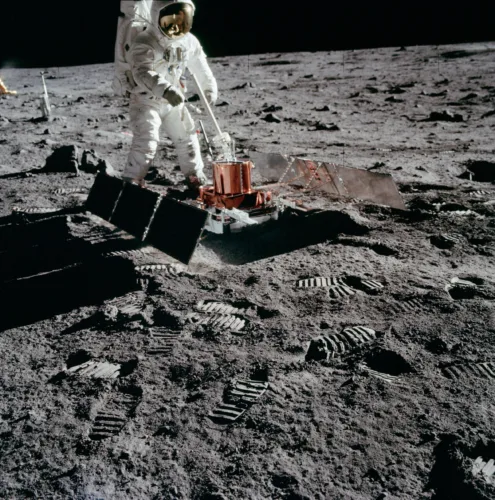
InSight has advanced our understanding of the Martian interior by using seismic techniques typically applied on Earth. One instrument, the Seismic Experiment for Interior Structure (SEIS) returned data that shows marsquakes from recent impacts of space debris on the surface. Compared to the orbitally-imaged catalog of craters, the seismically-detected events don’t seem to entirely match.
Researchers in a new paper utilized a seismic array around Mammoth Mountain to test out a new automated detection workflow to see if they could reliably identify the precursors to volcanic activity.
When features below Earth’s surface aren’t easily visible, geophysicists turn to their multi-disciplinary toolbox for answers. In a new study, geophysicists took a listen to ambient noise with seismometers to map out the complex structure of a Florida aquifer.
Using geophysical instrumentation and techniques can allow researchers to understand how natural resources may be affected by changing climate, and how we can manage these changes properly.
A new machine learning methodology utilizes seismic data to see if a volcanic eruption can be forecasted.
Different forces are tearing the western U.S. apart. Which ones are most important?
In Western Antarctica, the Pine Island Glacier ice shelf cracks and calves. One of these rifting events was observed via seismic sensors, demonstrating that while the tear was slower than expected, it’s still the fastest through-cutting fracture in a floating ice shelf ever recorded.
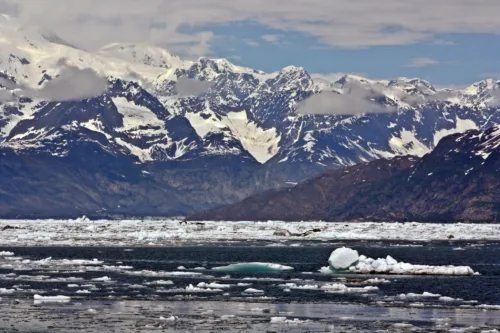
As the world warms, glaciers retreat, leaving behind over-steepened slopes that are prone to landslides. In places like coastal Alaska, landslides that slip into the ocean can spell disaster.