24 September 2026
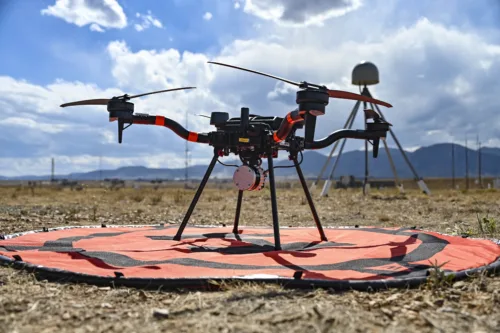
New UAS instruments available for SfM, lidar, and multispectral imaging
With a new UAS platform comes new sensor types.


Here in the News & Features section, you can find important announcements or learn more about our work and the science we support.
With a new UAS platform comes new sensor types.
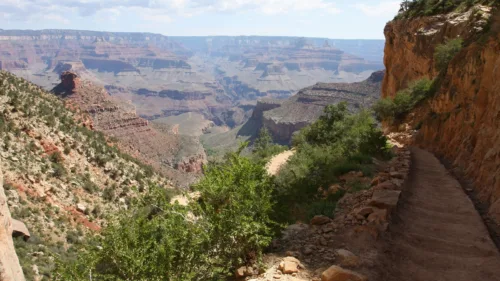
Data showed when the patter of rain transforms changed to a rush of water coursing down a rill.
The program covers costs associated with storage and access for high-value public datasets.

Please update your links and bookmarks to reflect the new URLs for these tools.
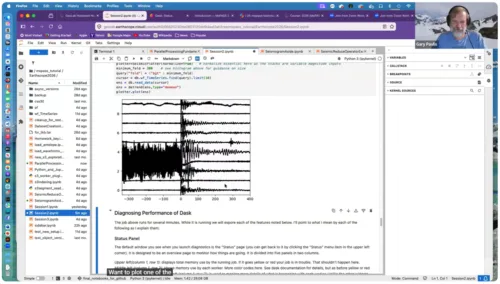
We asked the MsPASS team to share what has changed since the course first came to GeoLab in 2024 and what those changes have made possible for teaching and seismic data workflows.

Our Software Development Kit offers users ways to leverage our cloud-native data archive architecture.
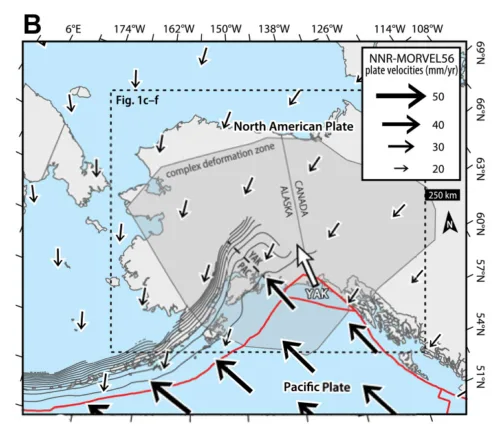
Alaska’s subduction zone is congested, but earthquakes can help us see what’s going on with the Yakutat microplate.
A number of web services are moving from service.iris.edu to service.earthscope.org as part of our cloud transition.
EarthScope is undertaking a platform shift to the cloud for the ds.iris.edu website content and applications, which may temporarily affect access to certain applications or web pages.