Fast and Slow: Chile’s subduction zone moves in distinct ways
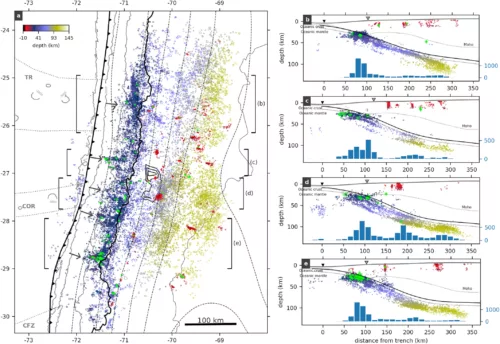
Though Chile is known for several major earthquakes, the Atacama seismic gap features slow movement that scientists seek to unravel.
Here in the News & Features section, you can find important announcements or learn more about our work and the science we support.
Though Chile is known for several major earthquakes, the Atacama seismic gap features slow movement that scientists seek to unravel.
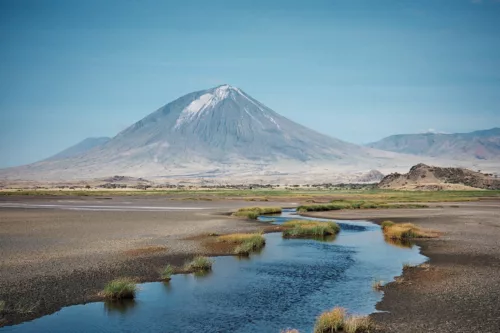
Down at the southern end of the East African Rift in Tanzania lies the Ol Doinyo Lengai volcano, exceptional in that it is the only active volcano that erupts carbonatites— igneous rocks composed of >50% carbonate minerals.
The 2023 GNSS Interferometric Reflectometry Short Course, co-sponsored by EarthScope Consortium and the the Collaborative Research Center 1502 DETECT, University of Bonn, was held last week. GNSS Interferometric Reflectometry (GNSS-IR) uses data from GNSS sites to measure changing conditions such as snow depth, soil moisture, and water levels around a GNSS antenna.
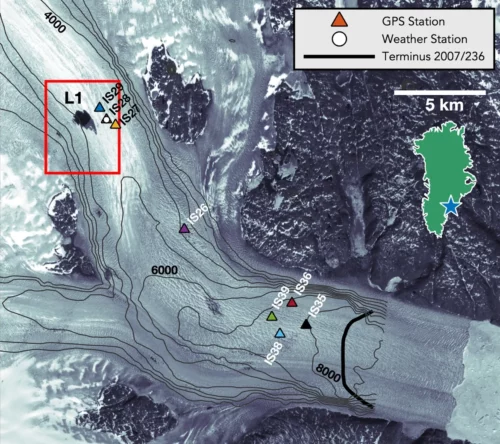
The metaphor of a “slippery slope” is often invoked for things that might quickly get out of control, but in glaciology these words can be applied more literally. In a warming world, we want to know how quickly ice sheets can melt and raise sea level.