The Legacy of the Plate Boundary Observatory at Mount St. Helens
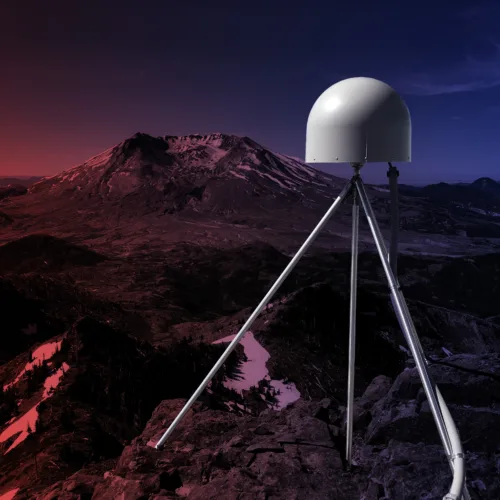
Quick construction of GPS stations by PBO engineers around Mount St. Helens helped scientists observe the 2004 eruption.
Here in the News & Features section, you can find important announcements or learn more about our work and the science we support.
Quick construction of GPS stations by PBO engineers around Mount St. Helens helped scientists observe the 2004 eruption.
Could it survive a category 5 storm?
It’s been 22 years since the NSF first funded an ambitious project to build a large-scale geodetic network we now know as the Network of the Americas. As the NSF GAGE facility award reaches its end, it’s worth looking back at how we got here.
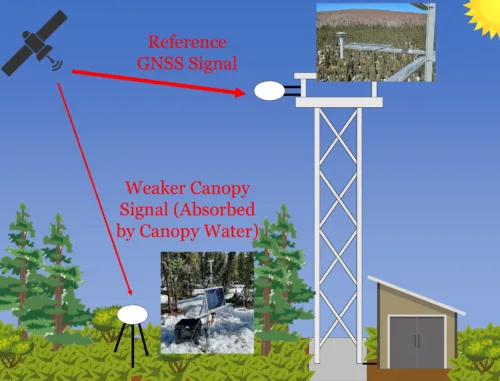
Two projects show how remote sensing and geodetic tools can help us study changing ecosystems and landscapes.
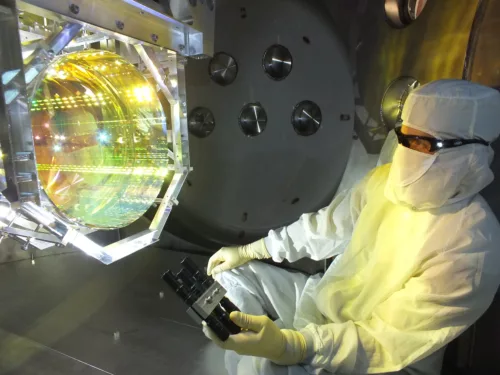
Geophysical instruments make key contributions to some large astrophysics experiments.
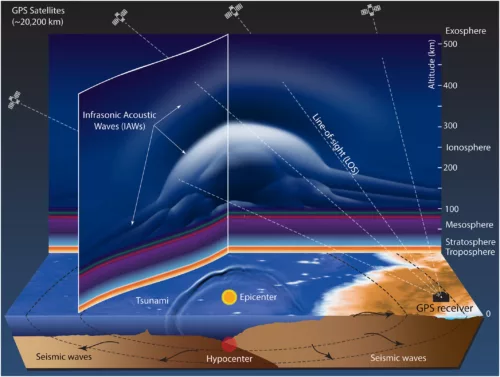
In order to extract as much information as possible from ionospheric signals, we need to understand the patterns in great detail. A recent paper used the 2016 magnitude 7.8 Kaikoura earthquake to see what we could learn from testing the data against simulations.
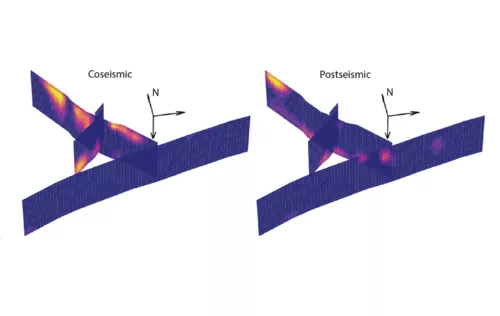
When we experience a significant earthquake—along with any foreshocks or aftershocks associated with it—the shaking is hard to ignore. But there are also subtle movements afterward we may only notice with the help of precision instruments.
A new study uses the latest maps of the structure beneath Antarctica to see how important realistic crust and mantle information is to sea level rise. The answer? It’s pretty important.
Using geophysical instrumentation and techniques can allow researchers to understand how natural resources may be affected by changing climate, and how we can manage these changes properly.