The Cocos Plate’s Only NOTA Station Is Back Online
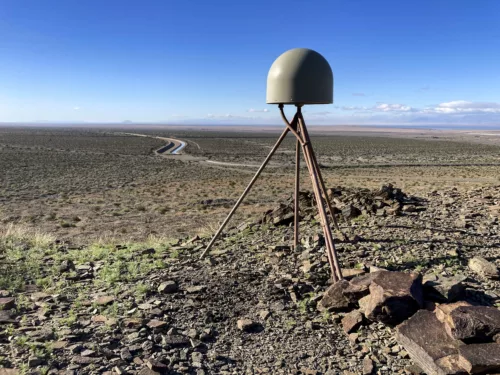
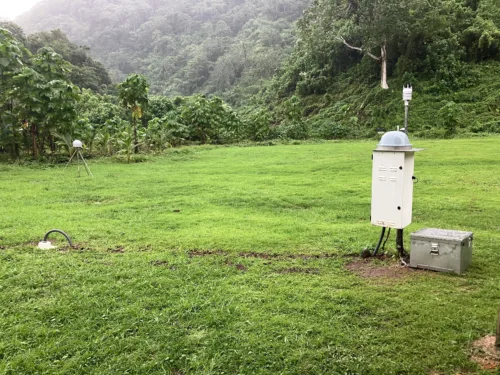
This June, the ISCO station on Cocos Island was rebuilt, allowing for the first real-time geophysical data for the Cocos Plate since 2020.
Here in the News & Features section, you can find important announcements or learn more about our work and the science we support.
Showing 1 - 8 of 8 Posts
This June, the ISCO station on Cocos Island was rebuilt, allowing for the first real-time geophysical data for the Cocos Plate since 2020.
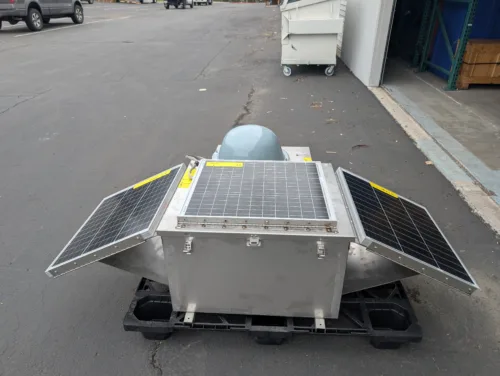
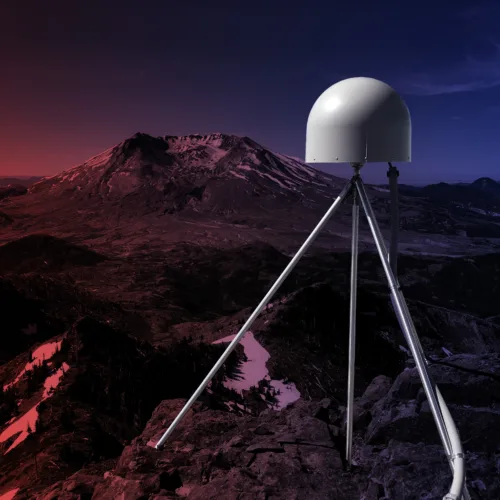
Quick construction of GPS stations by PBO engineers around Mount St. Helens helped scientists observe the 2004 eruption.
Could it survive a category 5 storm?
It’s been 22 years since the NSF first funded an ambitious project to build a large-scale geodetic network we now know as the Network of the Americas. As the NSF GAGE facility award reaches its end, it’s worth looking back at how we got here.
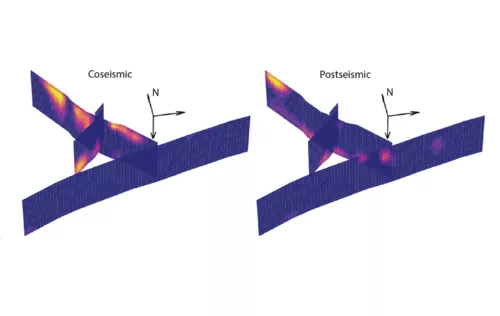
When we experience a significant earthquake—along with any foreshocks or aftershocks associated with it—the shaking is hard to ignore. But there are also subtle movements afterward we may only notice with the help of precision instruments.
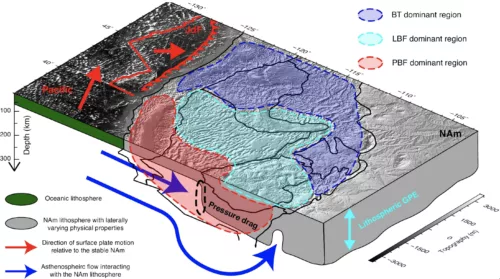
Different forces are tearing the western U.S. apart. Which ones are most important?
GPS stations augment seismometers, significantly improving the system’s ability to accurately detect the largest earthquakes.
To facilitate calibration of InSAR ground displacement measurements, NASA JPL corner reflectors have been deployed next to NOTA stations along the San Andreas Fault. Check out this video to learn more!