22 October 2026
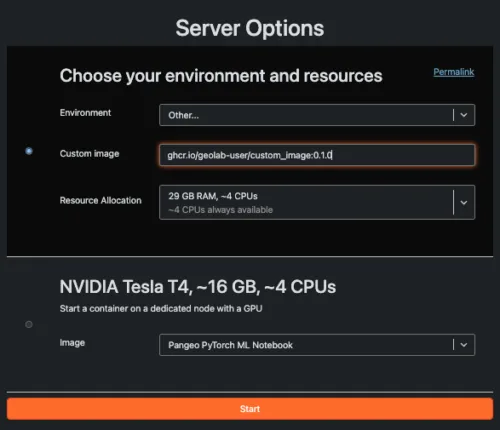
New how-to guides for managing your software tools in GeoLab
Managing your GeoLab environment opens up some handy options.


Here in the News & Features section, you can find important announcements or learn more about our work and the science we support.
Managing your GeoLab environment opens up some handy options.
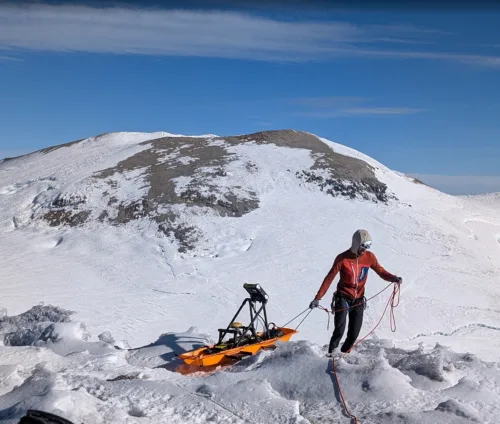
New Emerging Investigator Awards will provide funding and technical support to help early career researchers conduct innovative field-based geophysical research using NSF National Geophysical Facility instrumentation.
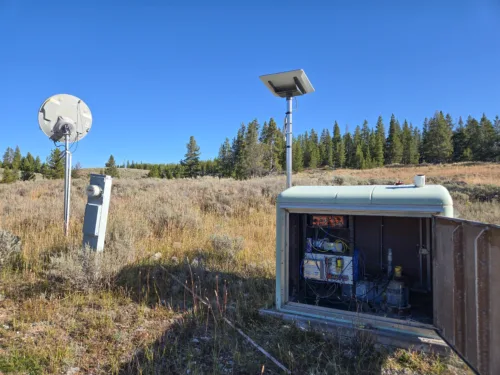
New edge computers are replacing aging dataloggers, keeping stations alive.

As part of our ongoing transition to modern, cloud-native infrastructure, we will be implementing limits on the volume of data and products that can be downloaded per hour and per day starting October 26.
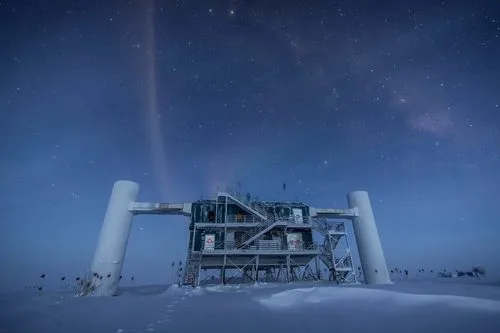
The IceCube Neutrino Observatory, located at the South Pole, helped expand a global-scale earthquake network.
Older PH5 experiments have been updated to resolve data inconsistencies, improve quality, and better align datasets with current PH5 standards.
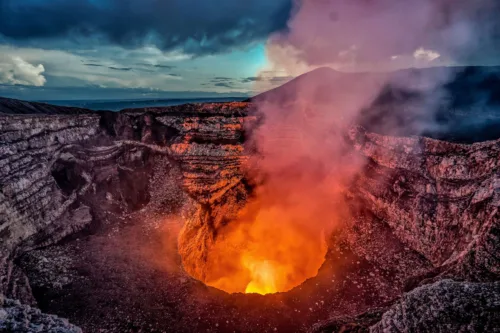
It’s often said that volcanoes give plenty of warning before they erupt. But what happens when they don’t? A recent study uses the satellite remote sensing technique, InSAR, to illuminate the behavior of Volcán Masaya, an unpredictable volcano located just 20 kilometers from Nicaragua’s capital city.
As part of our ongoing transition to modern, cloud-native infrastructure that provides exceptional scalability and performance, we will require user authentication for all data and product downloads beginning December 15, 2026.
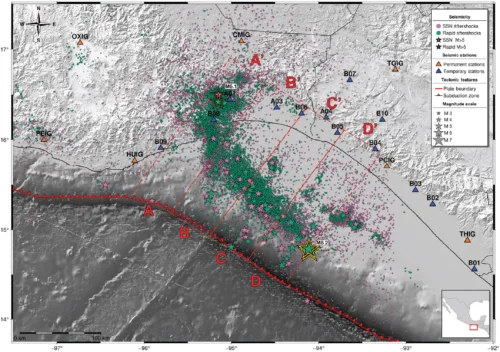
New aftershock catalog from 2017 M 8.2 earthquake reveals how machine-learning can facilitate our understanding of tectonically complex environments.