
15 December 2025
Results of 2025 election for Board of Directors
The results of the recent Board of Directors election have been tallied!


Here in the News & Features section, you can find important announcements or learn more about our work and the science we support.
The results of the recent Board of Directors election have been tallied!
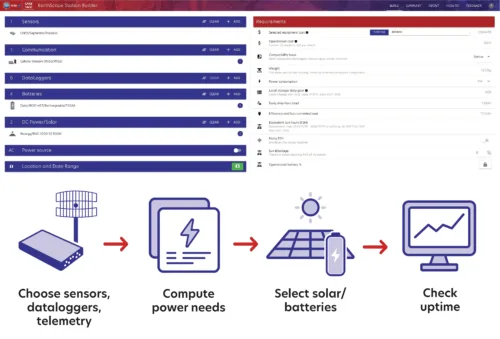
The Common Sensor Platform’s Station Builder is an interactive, web-based resource that helps users plan both permanent and temporary deployment station configurations.

Comparing seismic data and drone imagery near a churning lava lake shows the signal of bursting bubbles.
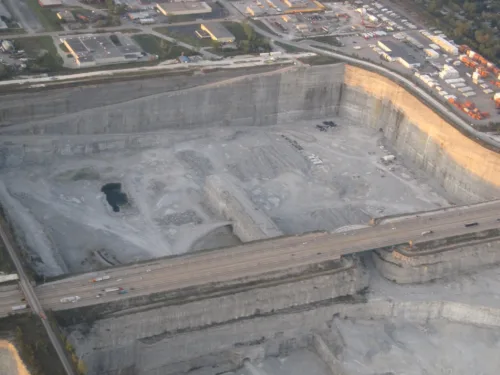
Model catalogs quarry blasts, heavy machinery noise, and other anthropogenic signals that can muddy seismic data.
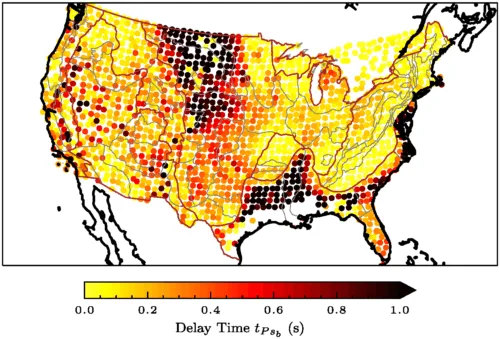
No single map of sediment thickness across the conterminous U.S. existed that used a consistent method — until this new one based on Transportable Array seismic data.
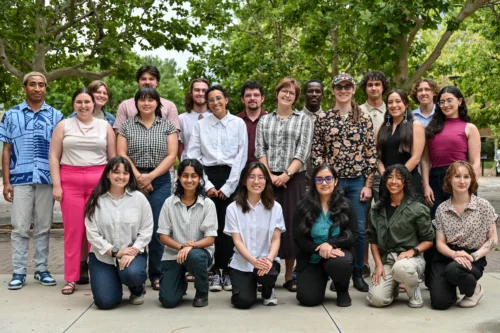
Summer 2025 marked one of the largest cohorts yet, with 33 interns placed at universities, research institutions, and national laboratories across the United States.

We are thrilled to announce that EarthScope has been selected as the operator of NSF NGF.
If you work with seismic data, put this recent paper on your reading list.
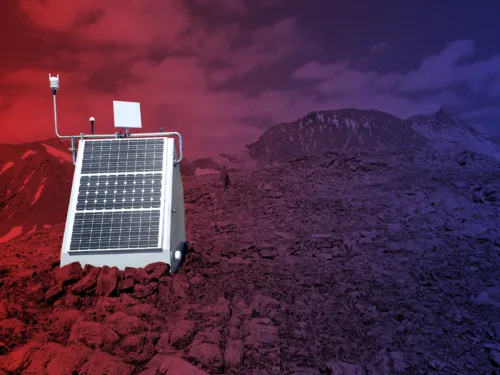
Between 2004 and 2021, seismometers were deployed in more than 2,000 locations as part of the USArray.