


There are four (4) open positions on the EarthScope Board of Directors, including the position of Board Vice-Chair/Chair Elect. Individuals elected will serve a three-year (3) term beginning January 1, 2027, and will join the eight (8) continuing Directors.
Our nomination committee has carefully selected these candidates to represent our broad stakeholder community. Each demonstrates a strong commitment to community governed and operated facilities through their impressive body of scientific and service work. These individuals will help guide the EarthScope organization in executing its mission to transform global geophysical research and education.
Adrian Borsa
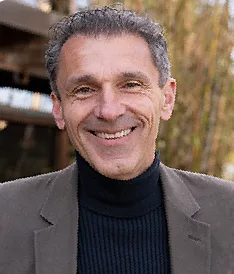
The EarthScope Consortium plays a unique and essential role in the Earth sciences. It is a comprehensive geophysical facility whose networks, instruments, and data all support scientific inquiry across geophysics. It is also a technical academy, offering world-leading instruction in geophysical methods alongside individual-level training and support for field deployments. And it is a key convener of the geophysics community––hosting conferences, workshops, and colloquia, and engaging our community through a comprehensive governance structure that aligns EarthScope with the needs of the individuals and institutions it supports. The direct impact of that governance on the well-being of our broader community is why I am inspired to join the EarthScope board, especially at such a pivotal moment in EarthScope’s history.
EarthScope’s selection to operate NSF’s National Geophysical Facility, which was fully funded despite widespread disruption in federal spending, underscores the universal relevance of EarthScope’s mission and the organization’s potential as a platform on which to build for a suddenly transformed future. Generative AI is commoditizing access to high-level data analysis, boosting the relative value of EarthScope’s observations and its ability to deploy and operate new sensor networks. The expanding federal mandate for “science to solutions” is likely to persist beyond this administration, rewarding facility support for industry and government––such as EarthScope has pursued with its commercial agreements. And the increase in global scientific capacity beyond North America, accelerated by GenAI, will require that EarthScope deepen its partnerships with an increasingly international stakeholder community.
As Chair of the EarthScope board, I would bring to the role my knowledge of and commitment to EarthScope and the EarthScope community, gained from managing data operations for the Plate Boundary Observatory (2008-12) and later overseeing facility finances as treasurer of the UNAVCO board (2020-22) and as chair of the EarthScope Budget and Finance Committee (2023-24). Currently, I serve as general secretary of the board and chair of the Audit and Finance Committee of the American Geophysical Union, a peer institution facing challenges similar to ours at EarthScope. In addition, I have an early-career background in international business which has helped me operate across different organizational cultures. I would lean on these multiple perspectives and work with the entire board to encourage EarthScope’s pursuit of transformative new opportunities, help manage competing expectations between longstanding stakeholders and new partners, and ensure financial resiliency at a time of high funding uncertainty across the Earth sciences.
Franz Meyer
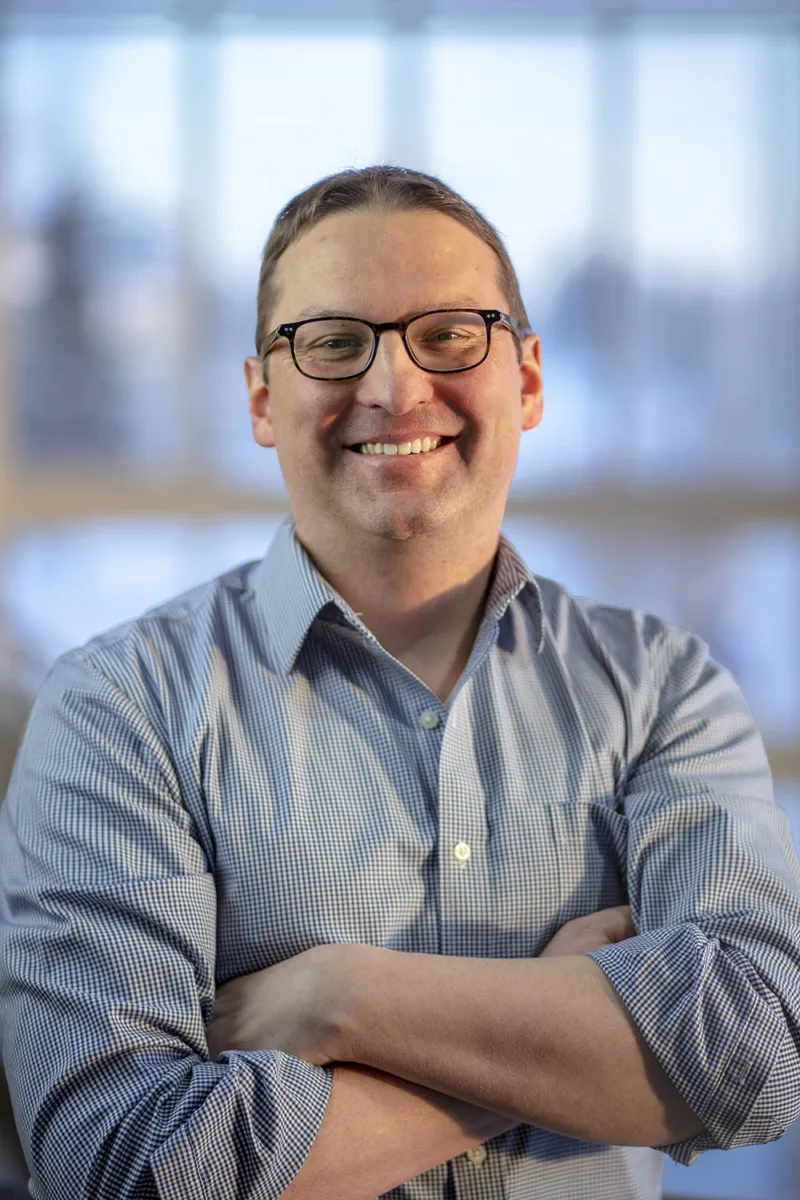
With the NSF National Geophysical Facility established, EarthScope has a unique opportunity to form a vibrant community around its multidisciplinary geophysical data. As the science community adjusts to cloud-based archives and petabyte-scale workflows, my goal has always been to make large-scale geophysical data more accessible so researchers and the broader geoscience community can focus on making new discoveries.
As a geodesist and remote sensing scientist, my research has centered on developing SAR techniques and services that enable the discovery and understanding of dynamic processes on our planet. This perspective has directly influenced my work as the Chief Scientist of the Alaska Satellite Facility, where I have been leading a decade-long effort to develop cloud architectures that make large Earth observation archives more immediately accessible to the geoscience community. Concurrently, while serving as Chair of EarthScope’s Engagement Activities Advisory Committee and as former Vice-Chair of WInSAR, I have brought this focus to EarthScope, advocating for services and training that better connect EarthScope’s data to its user base.
As Board Chair, I would continue to bring this strong community perspective to EarthScope as it establishes itself as a unified hub for geodetic, seismic, and other geophysical data. To me, EarthScope is much more than a data repository. It is a community coordinator that brings people together, building a culture around data that makes complex science possible. On the board, I plan to contribute my experience to tackle key challenges such as multidisciplinary data integration and federation. I will also work to ensure EarthScope’s workshops, forums, and community programs continue to grow our user base within and beyond geophysics so that, together, we can keep moving geophysical science forward.
Caroline Beghein
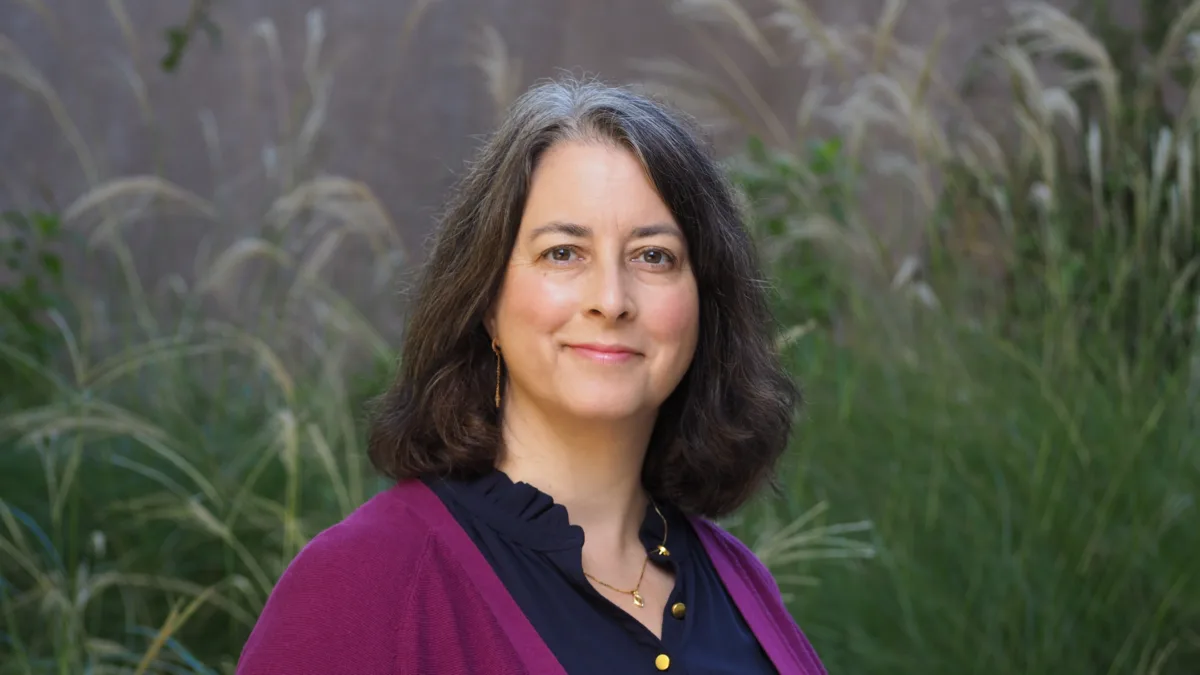
My name is Caroline Beghein, and I am a Full Professor in the Department of Earth, Planetary, and Space Sciences (EPSS) at UCLA, which I joined in late 2007 after postdoc appointments at MIT and Arizona State University. My primary research interests lie in seismology, with a particular focus on seismic tomography and the investigation of deep Earth structure. My work spans global and regional scales, studying the interior from the core and deep mantle to the shallow mantle, crust, and the lithosphere-asthenosphere system. Furthermore, having worked with Earth’s normal modes during my Ph.D., they will always have a special place in my heart. Beyond terrestrial geophysics, I was one of the participating scientists selected to join the NASA InSight mission in 2018 to study Mars. This provided invaluable experience in planetary science and large-team collaboration, but nothing matches the thrill of discovering the interior and seismicity of a geophysically unexplored planet. My contributions to the community have been recognized through the EGU Arne Richter Award for Outstanding Young Scientists (2005) and my role as an IRIS/SSA Distinguished Lecturer (2016).
My current leadership positions include being the Chair of the Curriculum Committee in EPSS for the past two years (and co-Chair prior to that) and the Undergraduate Advisor as of Fall 2025, as well as serving on the Global Seismographic Network (GSN) Advisory Committee since 2024. Prior to these roles, I co-led the InSight “Mars Interior Working Group” for two years, served on the IRIS GSN Standing Committee (2010- 2012), and was a member of the Earthscope Transportable Array Working Group (2009-2011). Additionally, I served as Topical Editor for Solid Earth (2018-2023), Seismology section representative for the American Geophysical Union Fall Meeting Committee (2018 – 2019), and as a member of the 2023 NSF SAGE/GAGE Community Science Workshop Organizing Committee.
It would be an honor to join the EarthScope Consortium Board of Directors. I seek this election to give back to the scientific community that has supported my career and to assist in guiding the Consortium during this exciting period following its selection by the National Science Foundation to operate the National Geophysical Facility. EarthScope has already done a remarkable job integrating and supporting the NSF SAGE and NSF GAGE facilities for the past few years, as evidenced by the numerous discussions I observed firsthand during the latest SAGE/GAGE Community Science Workshop. I would bring my expertise in both terrestrial and planetary seismology and my perspective as a global seismologist to the Consortium to help shape future directions and advise them in their mission of supporting geophysical research and education.
I am committed to representing the diverse interests of the entire geophysical community. While I am primarily a computational seismologist, my service on the GSN and my direct experience deploying broadband seismometers and visiting the PASSCAL facility during my time at ASU have provided me with valuable insights into the challenges associated with maintaining operational geophysical infrastructure. If elected, I will advocate for supporting both emerging and established research needs: the development and accessibility of new software and technologies (e.g., Distributed Acoustic Sensing, machine learning methods) while ensuring continued, reliable support for global and deep Earth researchers by maintaining the GSN, facilitating ocean bottom seismology, providing access to up-to-date software, and promoting collaboration and the exchange of ideas. I also want to help facilitate outreach, teaching, and research, and their integration. Finally, I firmly believe in making geophysics accessible to all researchers, including individuals with physical and learning disabilities, and I intend to use my position to promote greater awareness and inclusion within the community.
Xiaotao Yang
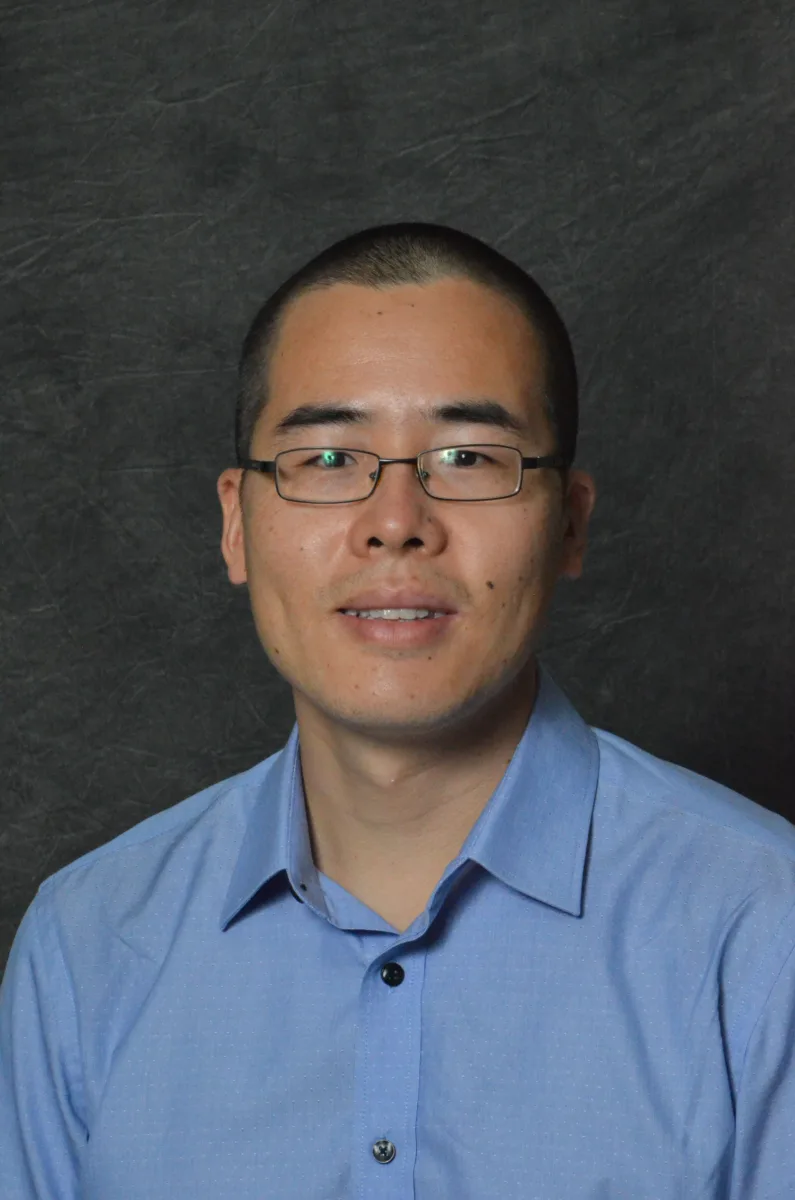
EarthScope has shaped my development from a graduate student into an independent early-career researcher. Its community-defined research priorities first inspired me about 16 years ago, and participation in a 3D flexible-array seismic experiment showed me the power of collaborative, community-driven science. Since then, EarthScope’s rich, organized, and accessible continuous seismic waveform data, together with its training and networking opportunities, have made my research possible. I am eager to give back by helping EarthScope respond to rapidly expanding data volumes, growing opportunities for cross-disciplinary collaboration, and the urgent need to prepare the geophysical workforce to use artificial intelligence responsibly and effectively. As a member of the Board of Directors, I would advocate for continued and expanded investments in data services, workshops, short courses, and career-development programs that strengthen the geophysical research and education communities.
I am a seismologist at Purdue University and hold a Ph.D. in geophysics from Indiana University Bloomington. My research examines how the present-day structure of Earth’s continental lithosphere records tectonic change, interactions with the underlying asthenosphere, and relationships among distinct lithospheric domains. I use seismological methods and multidisciplinary datasets to investigate topics ranging from intraplate seismicity and lithospheric structure to subduction dynamics, earthquake hazards, and volcano hazards. This broad research perspective enables me to represent and connect multiple parts of the geophysical community that EarthScope serves.
Marianne Karplus
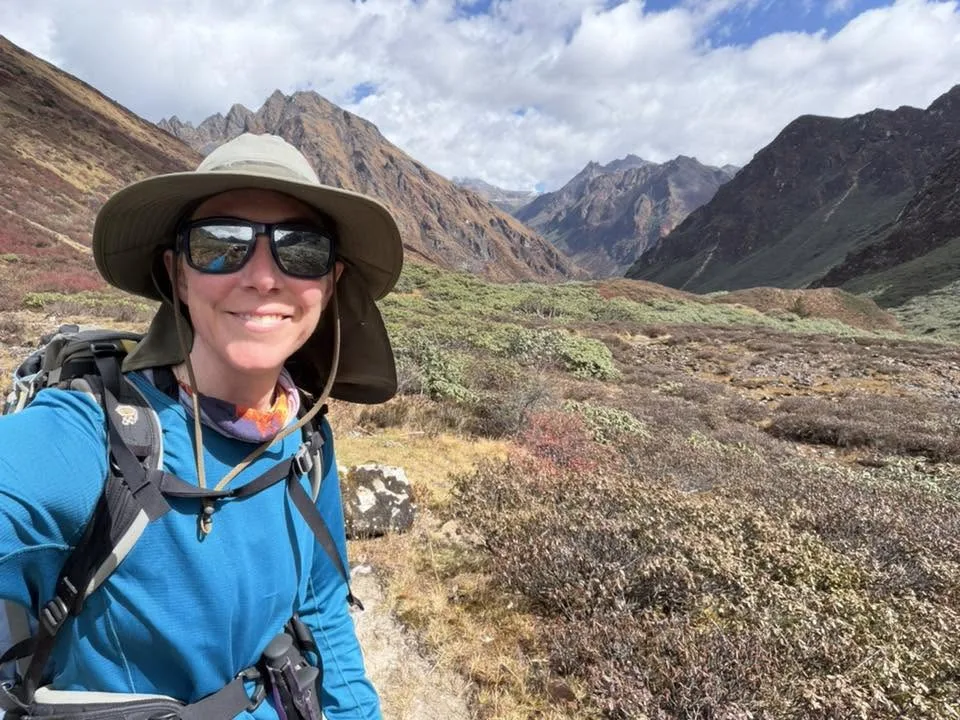
EarthScope plays a critical role in the geoscience community and beyond, including hosting the NSF National Geophysical Facility, archiving datasets, creating educational programs, supporting computational infrastructure, and much more. As a highly field-oriented geophysicist and seismologist, I gratefully recall my first trainings from PASSCAL technicians deploying Reftek 125A “Texan” geophones for a controlled-source seismic project in the Northern Tibetan Plateau (with 1950 geophones recording, this was “large N” in 2007!) and deploying broadband seismometers in the Western U.S. in 2009. Since those early experiences, I have conducted projects using a wide variety of equipment offered by the NGF including broadband seismometers, controlled-source cabled and nodal geophones, distributed acoustic sensing interrogators, campaign GNSS, real-time kinematic GNSS, electrical resistivity, radar, and polar equipment (Antarctica). I served on the PASSCAL Standing Committee from 2019-22, which gave me perspective into the operation of the PASSCAL Instrument Center.
I am interested in serving the EarthScope community and the EarthScope Consortium by advocating for the broad range of community needs (not just my research areas). I want to listen to EarthScope personnel as well as community members to create bridges and find ways to work together to advance geophysics research and education. It is also very important to me that students and individuals from all backgrounds and located in all corners of the U.S. have access to discover and participate in EarthScope science. I strongly support inclusive and community-centered scientific research, particularly research that involves strong collaboration with the scientists and communities impacted by the science. I am writing this statement from a 35-day trekking expedition in Bhutan to study glacial flooding and hazards with a team of 4 Bhutanese and 3 U.S.-based geoscientists conducting seismic surveys and near-surface geophysical surveys (funded by NSF).
I am a student of the Earth and an Associate Professor in the Department of Earth, Environmental, Resource Sciences at The University of Texas at El Paso (UTEP). Since 2015, I have led the Team Geophysics research group at The University of Texas at El Paso (UTEP), which is focused on using seismic and geophysical methods to better understand tectonics, earthquakes, geothermal areas, geohazards, and glaciers. I received my Ph.D. in Geophysics from Stanford University in 2012 and my B.A. (double major) in Mathematics and Earth Sciences, with a minor in Physics, from Dartmouth College in 2004.
Qifei Niu
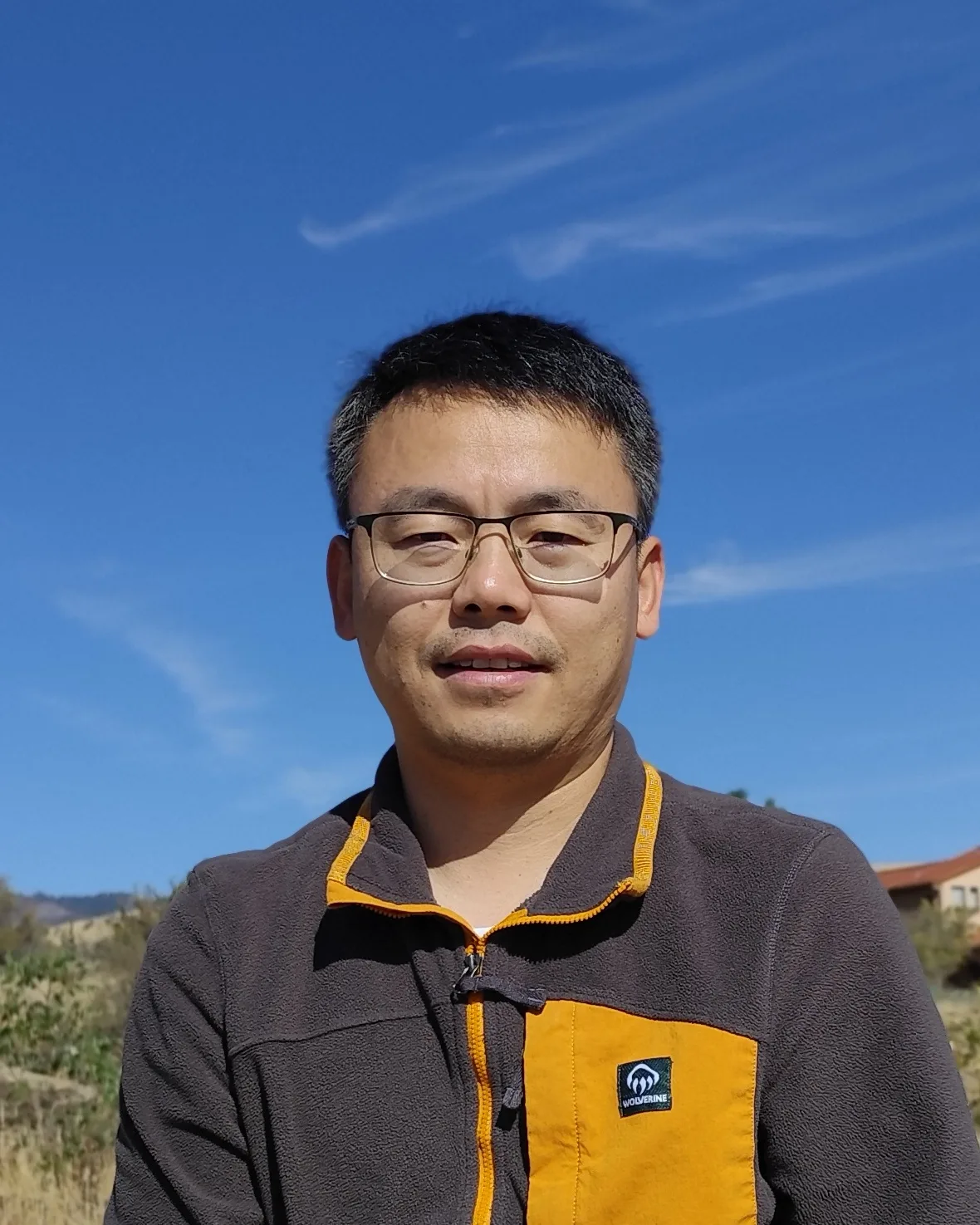
Geophysical instruments and data can provide vital insights for near-surface geoscientific research and help address pressing societal challenges in hydrology, critical zone science, environmental science, infrastructure, and natural hazards. As a hydrologist and near-surface geophysicist, I would bring a distinctive perspective to EarthScope governance that complements its strong role in solid-earth research. In particular, I would work to strengthen connections between EarthScope and the broader near-surface community and to expand access to its instruments, data, and expertise. I see substantial opportunities to engage hydrologists, critical zone scientists, and other researchers who could benefit from the EarthScope infrastructure but may not traditionally view it as a resource for their work. Strengthening these connections would bring new users, scientific questions, and diverse perspectives to the EarthScope community. This would also create new opportunities for EarthScope to contribute to near-surface research, supporting its mission to form an inclusive and forward-looking geoscience community.
I am an associate professor at Boise State University and will join the University of Texas at Dallas in January 2027. My current research uses geophysical tools and other approaches to investigate the critical zone and hydrologic processes, with a particular focus on developing novel model-data integration methods that link hydrology and geophysics. As a former chair of the AGU Hydrogeophysics Technical Committee and the organizing chair of the recent SEG-AGU Hydrogeophysics Workshop, I have experience working across disciplinary boundaries and representing diverse scientific communities. I would bring this perspective and experience to EarthScope governance, focusing on broadening participation and identifying emerging opportunities.
Mong-Han Huang
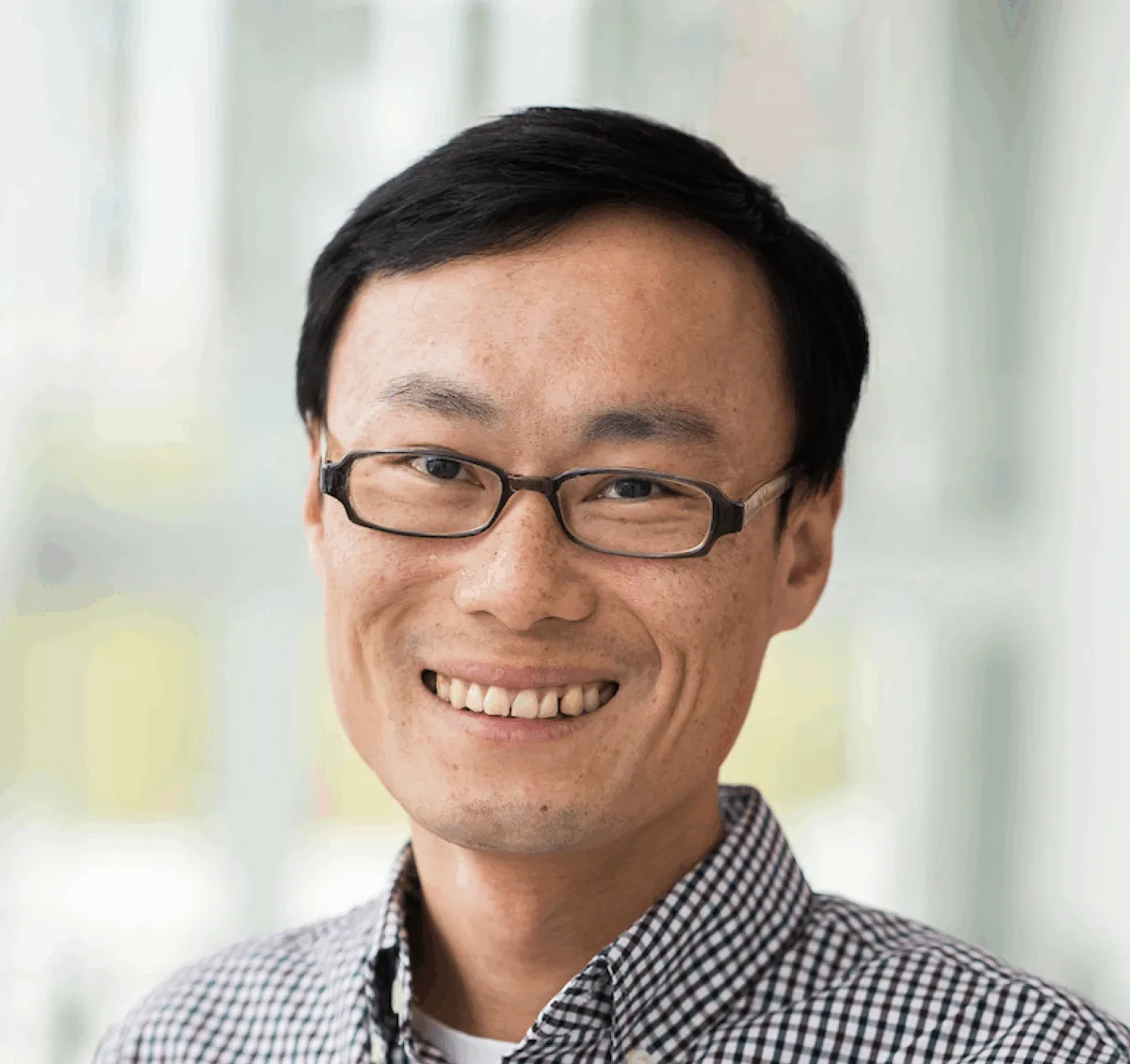
I have been passionate about research and teaching in the fields of Geodesy, Seismology, and Geomorphology. Both UNAVCO and IRIS have played a significant role in my development as a Geoscientist through several summer short courses in learning InSAR and GPS processing, open data and online tools that enable me to download GPS and seismic data for earthquake studies. Through my research career, I use geophysics tools such as InSAR, GPS, strong motion and broadband seismic instruments, portable geophone arrays, and electrical resistivity imaging to study earthquake cycles, cryosphere geophysics, and critical zone structure and hydrology. I am also fortunate to have served on the Quality Assurance Advisory Committee (QAAC) for IRIS and on the Geodetic Infrastructure Advisory Committee for UNAVCO. I am currently serving as a member of EarthScope’s PI Instrument Advisory Committee since 2023. I am honored to be nominated as a candidate of the board of directors for EarthScope, especially after it has been selected as the National Geophysical Facility operator by NSF. As a board member, I would be committed to assist the buildup and maintenance of our national instrumentation facility under current support level. With my research experience, I will help increase capacity to support research involving geodesy, satellite remote sensing, and near surface geophysics. I would like to increase the level of workforce training and community serving programs, particularly for communities that lack established expertise in geophysical data acquisition, processing, and interpretation. I hope this will increase interdisciplinary collaboration, instrument usage, and data sharing between geophysics and non-geophysics communities.
Robin Matoza
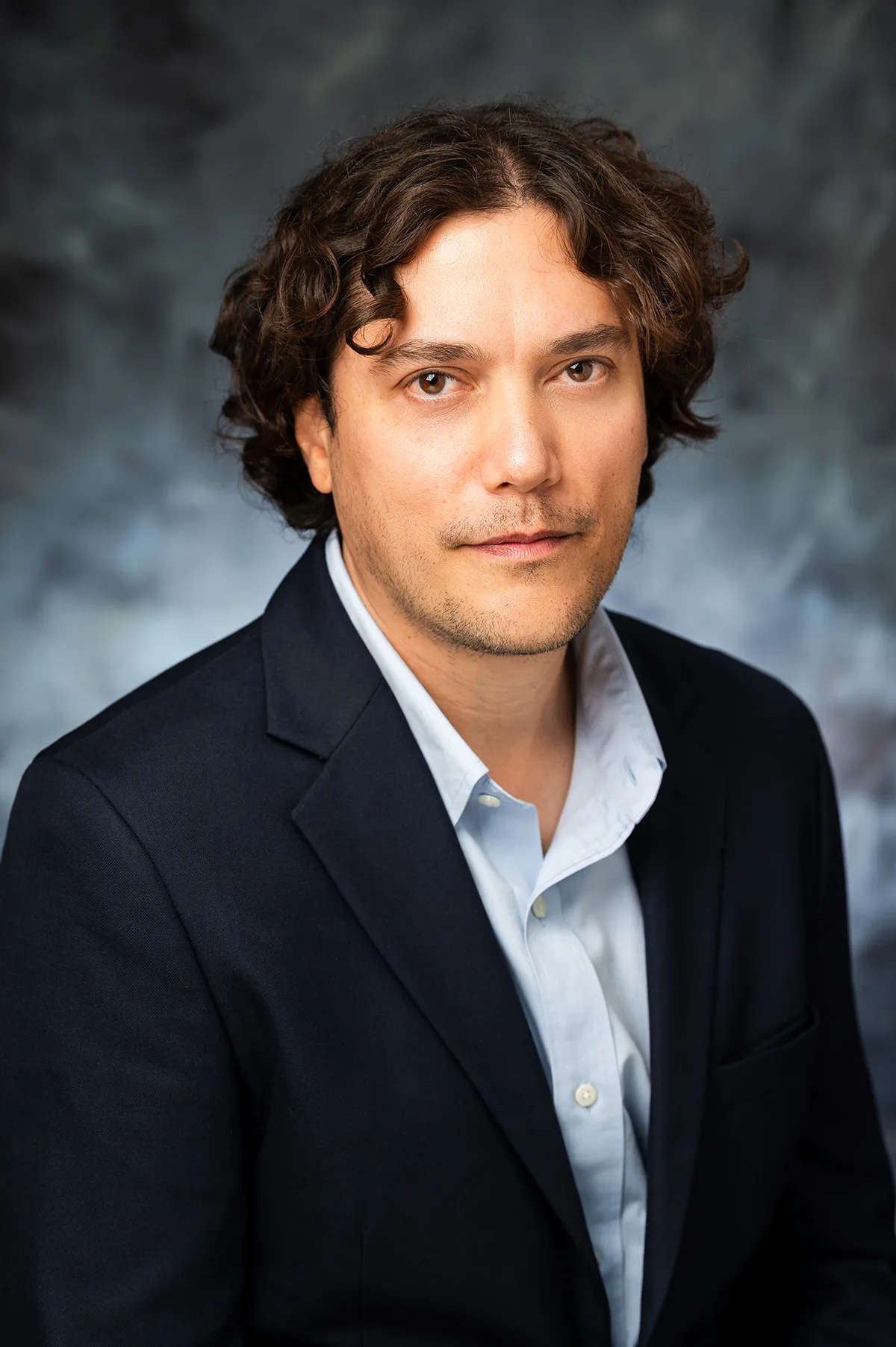
Robin Matoza is a Professor of geophysics at the Department of Earth Science, University of California, Santa Barbara. His research is primarily in seismology, infrasound, and seismo-acoustics, especially as applied to volcanic processes and eruption dynamics. This work is focused on understanding the geophysical signatures of volcanic unrest and eruption, with application in monitoring and mitigating volcanic hazards. More broadly, his research covers varied aspects of seismo-acoustics, including numerous natural and anthropogenic sources as well as atmospheric infrasound propagation. Matoza has authored 86 peer-reviewed scientific papers and book chapters. He received an MGeophys from the University of Leeds, UK, in 2004, and a PhD in Earth sciences at the Institute of Geophysics and Planetary Physics (IGPP), Scripps Institution of Oceanography, in 2009.
I would fully appreciate the opportunity to serve EarthScope. The facilities, instrumentation, services, data sharing, educational opportunities, and geophysical community encompassed by EarthScope have provided an important foundation throughout my career. In my research group, we have contributed seismo-acoustic waveform data, collected from volcanoes around the world, to the NSF SAGE data archive. This is part of a relatively recent trend in volcano seismology and acoustics toward increased central data archiving, which is beginning to allow systematic comparisons and hypothesis testing of seismic and acoustic source processes across varied volcanic systems and tectonic environments.
The field of seismoacoustics has seen remarkable advances over the past two decades, and the NSF SAGE data archive now includes multi-year integrated archives of seismic, infrasonic, and hydroacoustic waveforms from stations around the globe, enabling multi-technology environmental sensing of a multiplicity of processes in the solid Earth, atmosphere, and oceans. I am interested in identifying opportunities to further align the full range of EarthScope services and support with the goals of the growing seismoacoustics research community, including in instrumentation pools, in data products and services, and in educational resources and workforce development. I am also interested in finding opportunities to better integrate varied data types, including from multi-parametric volcano monitoring streams and from atmospheric and oceanic sensors.