



There are four (4) open positions on the EarthScope Board of Directors. Individuals elected will serve a three-year (3) term beginning January 1, 2026, and will join the eight (8) continuing Directors.
Our nomination committee has carefully selected these candidates to represent our broad stakeholder community. Each demonstrates a strong commitment to community governed and operated facilities through their impressive body of scientific and service work. These individuals will help guide the EarthScope organization in executing its mission to transform global geophysical research and education.
Marine Denolle
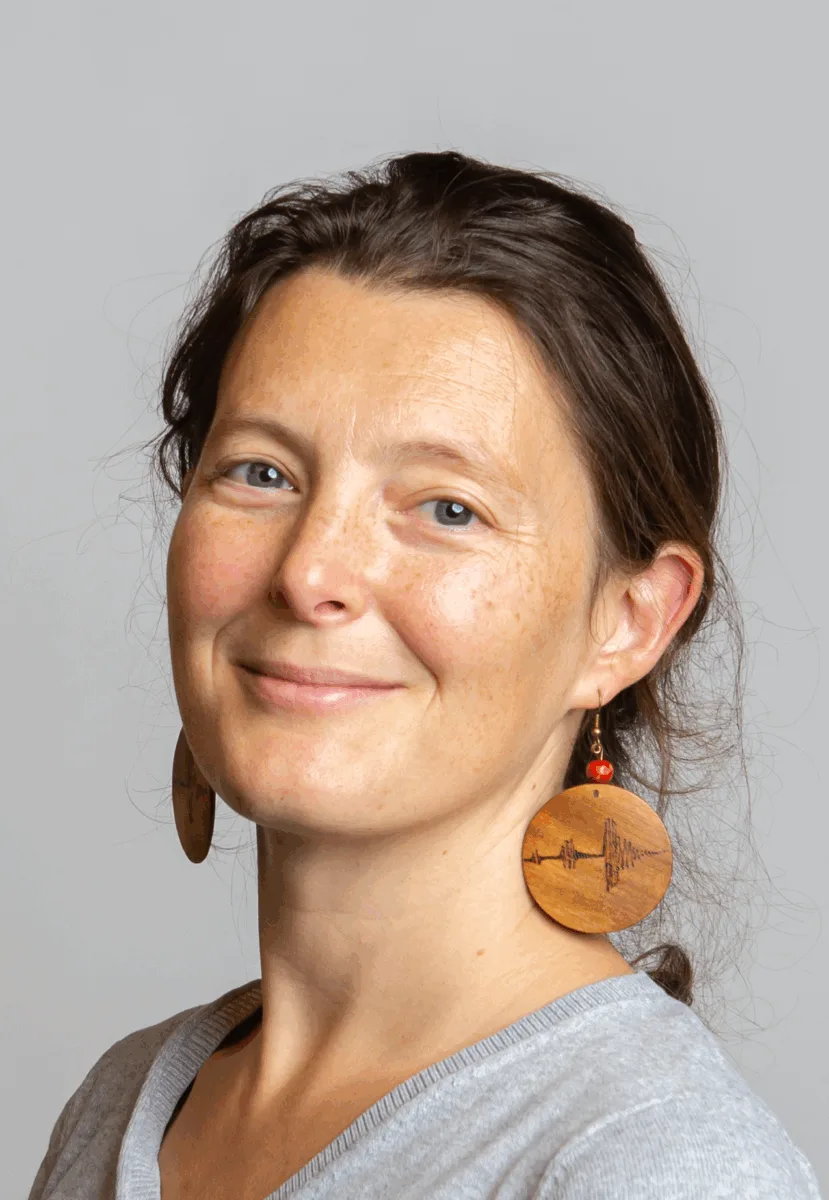
Large-scale geophysical data are transforming how we observe and understand the Earth. I’ve devoted my career to building the systems and partnerships that make this transformation meaningful for our science. In the last decade, I have led a team focused on democratizing access to cloud-based, high-performance workflows that enable students, faculty, and researchers to process petabyte-scale seismic and geophysical datasets. I have consistently advocated for transparent, two-way communication between data services and users, drawing on my experience chairing the IIAC committee and serving on the Data Services Committee to ensure community input shapes facility operations. This perspective enables me to serve as a strong advocate for the full range of EarthScope stakeholders, from students learning seismology for the first time to advanced technicians and senior researchers who rely on precise and reliable services.
Looking forward, I see EarthScope playing a vital role in supporting interdisciplinary science that connects geohazards, climate change, environmental processes, and resource management. My research has repurposed geophysical sensors to address broad questions in Earth Hazard Science, and I have established collaborations that bridge seismology, AI, hydrology, and climate science. I will bring this vision to the Board: guiding the facility toward AI-enabled, community-driven services that expand both discovery and impact. I am committed to ensuring that EarthScope’s future capabilities remain open, innovative, and responsive to the needs of its diverse user base, so that together we can advance science, educate the next generation, and improve resilience to natural hazards.
Robin Matoza
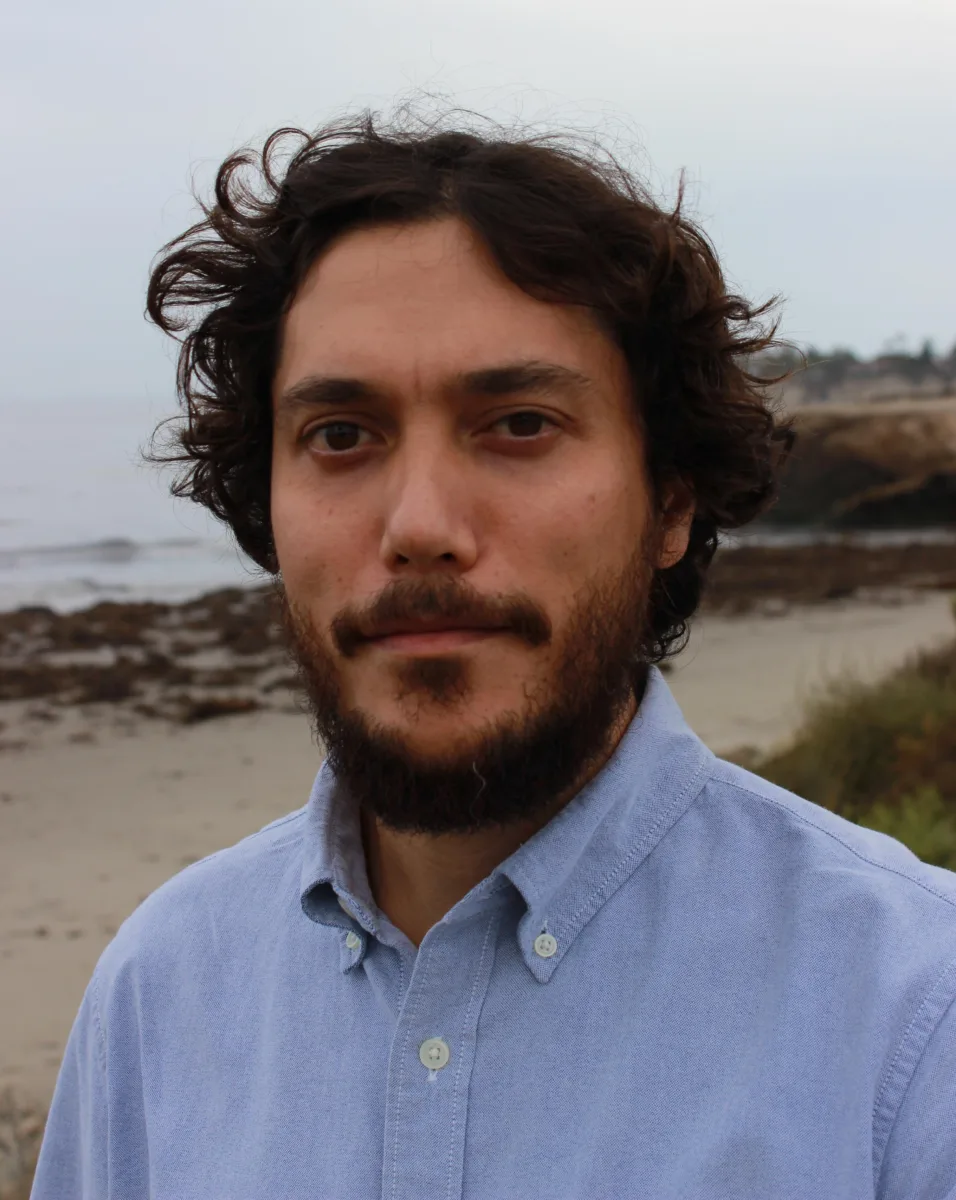
The field of seismo-acoustics has seen remarkable advances over the past two decades, and the NSF SAGE data archive, operated by the EarthScope Consortium, now includes multi- year integrated archives of seismic, infrasonic, and hydroacoustic waveforms from stations around the globe, enabling multi-technology environmental sensing of a multiplicity of processes in the solid Earth, atmosphere, and oceans. For example, volcanoes are powerful seismo-acoustic sources, with unrest and eruption commonly accompanied by seismic, infrasonic, and hydroacoustic signatures depending upon the volcanic setting (subaerial, submarine, partially submerged). The study of volcano geodesy is also increasingly merging with volcano seismo-acoustics, allowing volcanic processes to be captured with increasingly wider bandwidth. The climactic eruption of Hunga volcano, Tonga on 15 January 2022 highlights the exceptional capability of multi-technology geophysical observations systems that are now in place for capturing global volcanic activity. The facilities, instrumentation, services, data sharing, educational opportunities, and geophysical community encompassed by EarthScope provide an important foundation. I would fully appreciate the opportunity to serve EarthScope.
Caroline Beghein
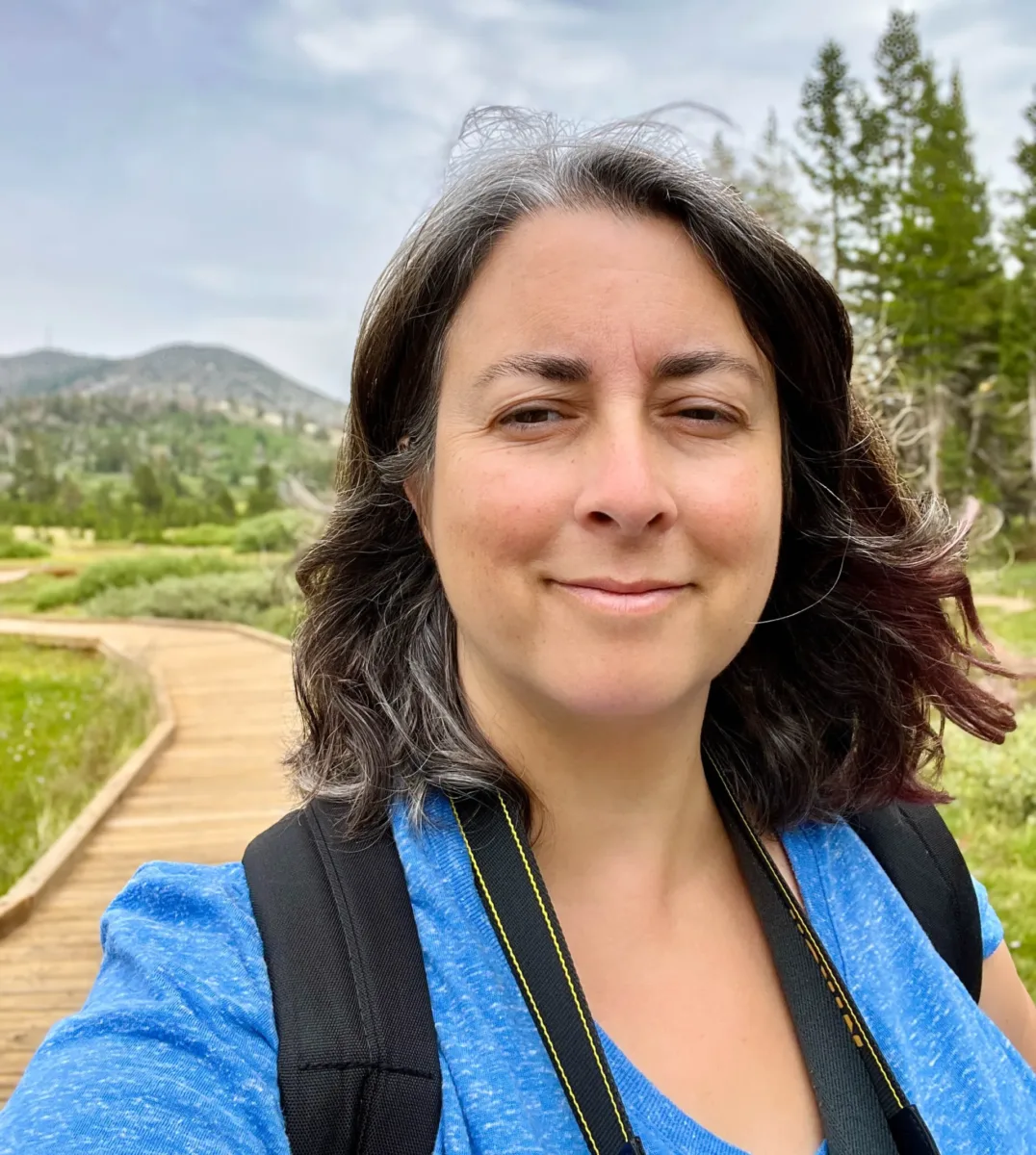
My name is Caroline Beghein, and I am a Full Professor in the Department of Earth, Planetary, and Space Sciences (EPSS) at UCLA, which I joined in late 2007 after postdoc appointments at MIT and Arizona State University. My primary research interests lie in seismology, with a particular focus on seismic tomography and the investigation of deep Earth structure. My work spans global and regional scales, studying the interior from the core and deep mantle to the shallow mantle, crust, and the lithosphere-asthenosphere system. Furthermore, having worked with Earth’s normal modes during my Ph.D., they will always have a special place in my heart. Beyond terrestrial geophysics, I was one of the participating scientists selected to join the NASA InSight mission in 2018 to study Mars. This provided invaluable experience in planetary science and large-team collaboration, but nothing matches the thrill of discovering the interior and seismicity of a geophysically unexplored planet. My contributions to the community have been recognized through the EGU Arne Richter Award for Outstanding Young Scientists (2005) and my role as an IRIS/SSA Distinguished Lecturer (2016).
My current leadership positions include being the Chair of the Curriculum Committee in EPSS for the past two years (and co-Chair prior to that) and the Undergraduate Advisor as of Fall 2025, as well as serving on the Global Seismographic Network (GSN) Advisory Committee since 2024. Prior to these roles, I co-led the InSight “Mars Interior Working Group” for two years, served on the IRIS GSN Standing Committee (2010- 2012), and was a member of the EarthScope Transportable Array Working Group (2009-2011). Additionally, I served as Topical Editor for Solid Earth (2018-2023), Seismology section representative for the American Geophysical Union Fall Meeting Committee (2018 – 2019), and as a member of the 2023 NSF SAGE/GAGE Community Science Workshop Organizing Committee.
It would be an honor to join the EarthScope Consortium Board of Directors. I seek this election to give back to the scientific community that has supported my career and to assist in guiding the Consortium during this exciting period following its selection by the National Science Foundation to operate the National Geophysical Facility. EarthScope has already done a remarkable job integrating and supporting the NSF SAGE and NSF GAGE facilities for the past few years, as evidenced by the numerous discussions I observed firsthand during the latest SAGE/GAGE Community Science Workshop. I would bring my expertise in both terrestrial and planetary seismology and my perspective as a global seismologist to the Consortium to help shape future directions and advise them in their mission of supporting geophysical research and education.
I am committed to representing the diverse interests of the entire geophysical community. While I am primarily a computational seismologist, my service on the GSN and my direct experience deploying broadband seismometers and visiting the PASSCAL facility during my time at ASU have provided me with valuable insights into the challenges associated with maintaining operational geophysical infrastructure. If elected, I will advocate for supporting both emerging and established research needs: the development and accessibility of new software and technologies (e.g., Distributed Acoustic Sensing, machine learning methods) while ensuring continued, reliable support for global and deep
Earth researchers by maintaining the GSN, facilitating ocean bottom seismology, providing access to up-to-date software, and promoting collaboration and the exchange of ideas. I also want to help facilitate outreach, teaching, and research, and their integration. Finally, I firmly believe in making geophysics accessible to all researchers, including individuals with physical and learning disabilities, and I intend to use my position to promote greater awareness and inclusion within the community.
Catherine (Kate) Rychert
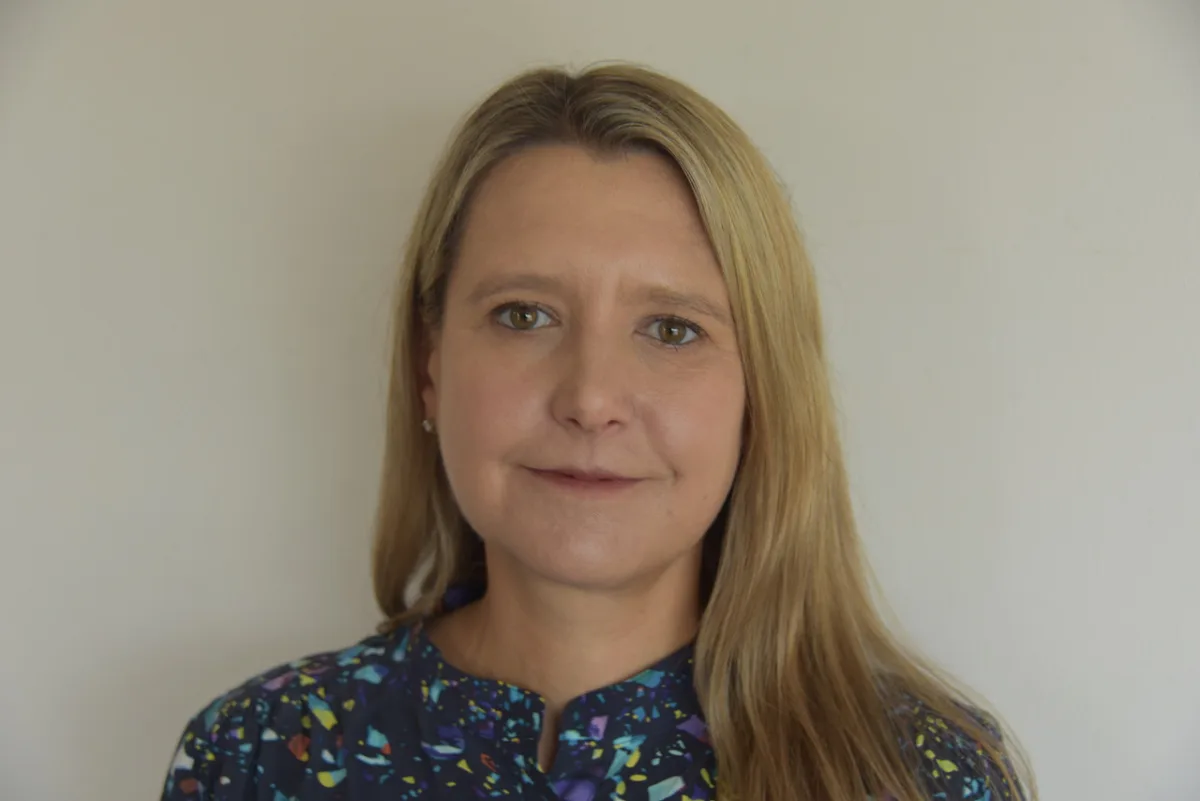
Geophysical field equipment is a central part of my research. I have been a user of the US equipment pool since 2001 (including the 14 years I spent abroad in the UK) and have deployed 8 separate field experiments. I have deployed seismometers on land and at sea, precise ocean bottom pressure sensors (for joint solid Earth-oceanographic studies), and rapidly deployed fiber optic cables for DAS interrogation. I am very thankful for the EarthScope facility, which in my career has led to several successful scientific advances and nearly 100 publications. Therefore, I am actively dedicated to the success of EarthScope to serve the community. Dedication and creativity towards this end are especially important at this exact moment given the evolving landscape of funding, technology development, and scientific goals. My international experience with a variety of different agencies and systems will allow me to contribute alternative ideas and viewpoints and provide broad perspective in terms of strategies and approaches to enhance the facility. It will also allow EarthScope to connect with
a wide base of international partners. In addition, I am well-versed in state-of and burgeoning technologies, including ocean bottom seismometers, seafloor geodesy, and DAS. I have a long track record of teaching in the field and outreach. I led geophysical field courses for 10 years at Southampton, which required not only field skills, but diplomacy and innovation. In addition, I have led several initiatives to enhance networking and mentoring at every institution where I have worked. I also actively engage in outreach in many ways, from working with BBC channel 5 on an earthquake documentary, to school visits, to the WHOI ‘Ask a Scientist’ events.
At EarthScope I look forward to collaborating with the board and the staff to develop strategic directions, develop national and international partnerships, and find creative solutions to achieve its goals. I will advocate for existing resources and work to develop new resources that serve the dynamic needs of the community. I will promote and enhance training to develop key skills needed in the future, and I will work to promote outreach efforts, which are essential for promoting the important work that EarthScope does and for developing connections with the community.
Wenyuan Fan
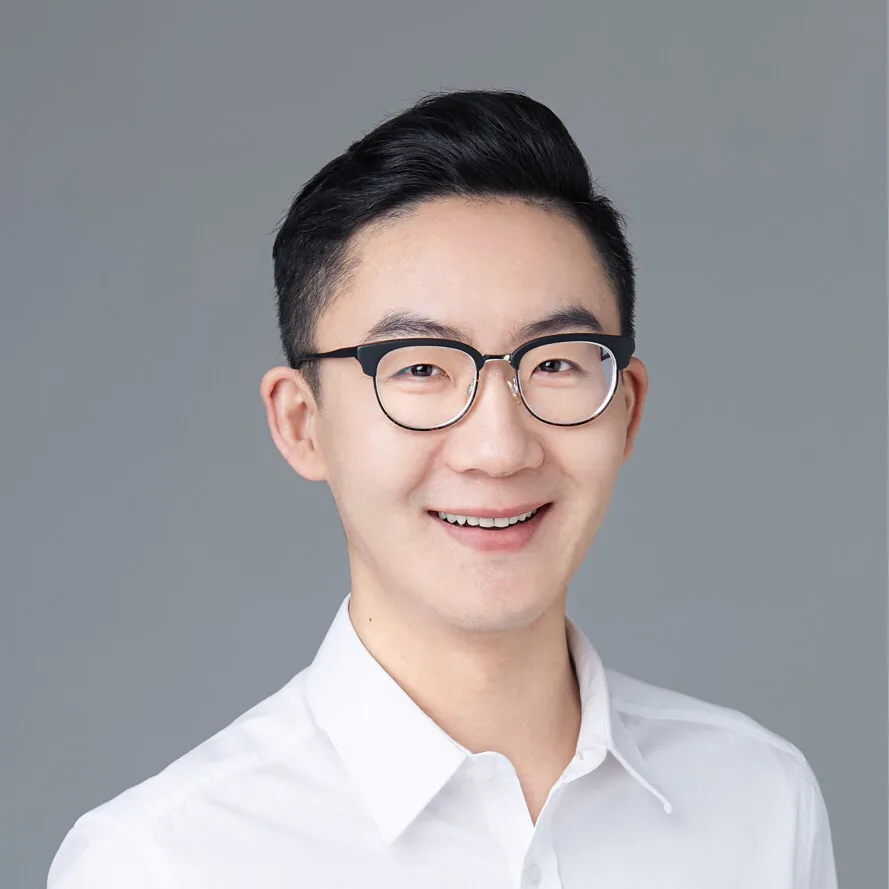
I am honored to be nominated to serve on the EarthScope Board of Directors. As the National Geophysical Facility, EarthScope provides essential support for seismological and geodetic research, and this represents an opportunity for me to contribute to the broader geoscience community. I seek to advocate for new observations and methodologies that advance emerging research directions.
If elected, I will focus on promoting observations and data products that strengthen marine, near-surface, and environmental geophysics. These fields have long histories, and research in these areas has significantly improved our understanding of the solid Earth and its interactions with the hydrosphere, atmosphere, and cryosphere. However, conducting field experiments, acquiring geophysical observations, and mastering research tools can pose challenges for the broader community. Consequently, early-career researchers may feel discouraged from pursuing these topics, despite their critical importance to understanding Earth processes, from tectonics to climate change.
I aim to help identify gaps and address these challenges by supporting the development and accessibility of data, data products, and research tools in these areas. My goal is to engage the broader geophysical community — particularly early-career scientists — and lower barriers to participation in these fields, thereby strengthening the geophysics community in both the short and long term.
Weisen Shen
I am honored to serve as a candidate for election to the EarthScope Board of Directors. During my graduate student and postdoc era, I have participated in almost every single IRIS workshop and EarthScope conference. As a faculty member at Stony Brook University, I have long
benefited from EarthScope’s infrastructure and community. I generally regard myself as part of the generation fostered by the Earthscope community through its flagship Earthscope/USArray project. And I am eager to give back through service, leadership, and strategic stewardship. Below is a summary of my experiences, priorities, and what I would bring to the Board:
I have led seismic deployments in challenging environments, conducted instrument development campaigns, and overseen data product pipelines. If elected, I can bring additional technical and operational experience to the board. Since 2021, I have served on the IRIS PASSCAL committee, participated in community advisory roles, and convened two workshops aligning the polar geophysical community’s needs and agency priorities. I will work to bridge diverse scientific communities, balancing bold ambition with fiscal and operational realism. Finally, having served on the EDI committee in my home department, I understand the value of diversity and would keep celebrating the diverse research community that EarthScope serves.
If elected, I would particularly focus on maintaining and expanding EarthScope’s observational capabilities in polar regions, regaining support from NSF-OPP to EarthScope, and ensuring that our community is fully prepared for the upcoming 2032–33 International Polar Year (IPY). Polar environments remain one of the final frontiers for solid Earth observation, where the integration of seismic, geodetic, and cryospheric measurements can transform our understanding of planetary processes and climate–tectonic coupling, representing a vital component of future direction for geophysical instrumentation services. I deeply believe that, no different from other higher educational institutions, EarthScope is at a pivotal moment. As we enter a less-familiar NSF landscape, expand agency/industry partnerships, and face evolving technical challenges, the Board’s leadership and governance will matter more than ever.
Finally, I will advocate for rigorous oversight of instrument maintenance, renewal, and further development, ensuring that EarthScope remains competitive and trusted by its user community as well as the funding agency at large. In the era of integrated seismic/geodetic operations and AI-assisted data integration and analysis, EarthScope must remain adaptive, exploring and implementing new modalities, partnerships, and funding opportunities. I will push for a Board that considers bold but responsible paths forward. Thank you for considering my candidacy. I welcome your questions or ideas anytime.
Mong-Han Huang
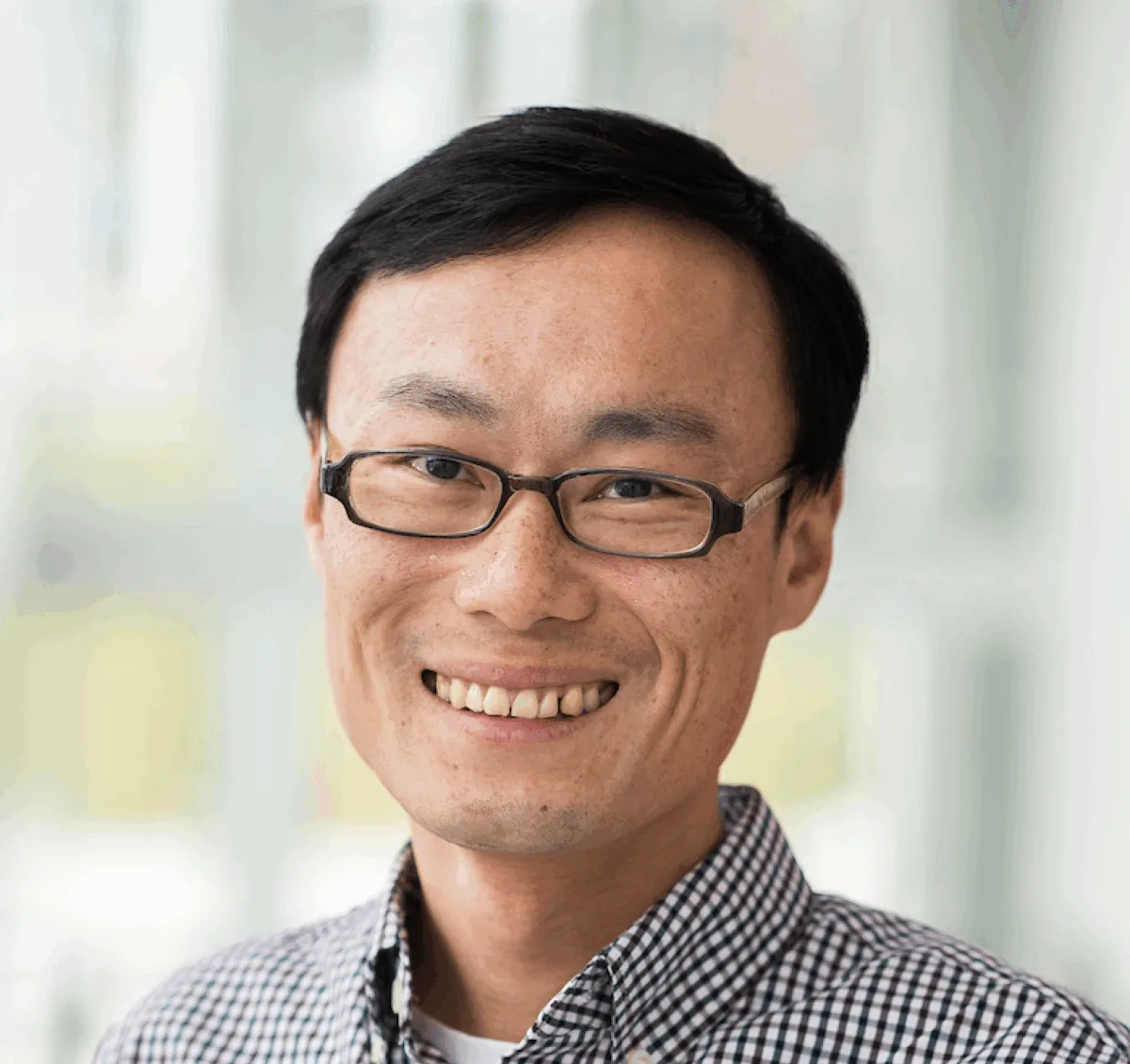
I have been passionate about research and teaching in the fields of Geodesy, Seismology, and Geomorphology. Both UNAVCO and IRIS have played a significant role in my research in graduate school through several summer short courses in learning InSAR and GPS processing, open data and online tools that enable me to download GPS and seismic data for earthquake studies. Through my research career, I use geophysics tools such as InSAR, GPS, strong motion and broadband seismic instruments, portable geophone arrays, and electrical resistivity imaging to study earthquake cycles, cryosphere geophysics, and critical zone structure and hydrology. I am also fortunate to serve on the Quality Assurance Advisory Committee (QAAC) for IRIS and on the Geodetic Infrastructure Advisory Committee for UNAVCO. I am currently serving as a member of EarthScope’s PI Instrument Advisory Committee since 2023. I am honored to be nominated as a candidate of the board of directors for EarthScope, especially after it has been selected as the National Geophysical Facility (NGF) by NSF. As a board member, I would be committed to assist the buildup and maintenance of the instrumentation pool with the current level of national support. With my research experience, I will help increase capacity to support research involving near surface geophysics. I would like to increase the level of workforce training and community serving programs, particularly for emerging communities that do not have sufficient expertise in geophysical data collection, processing, and analysis. I hope this will increase interdisciplinary collaboration, instrument usage, and data sharing between geophysics and non-geophysics communities.
Eric Lindsey
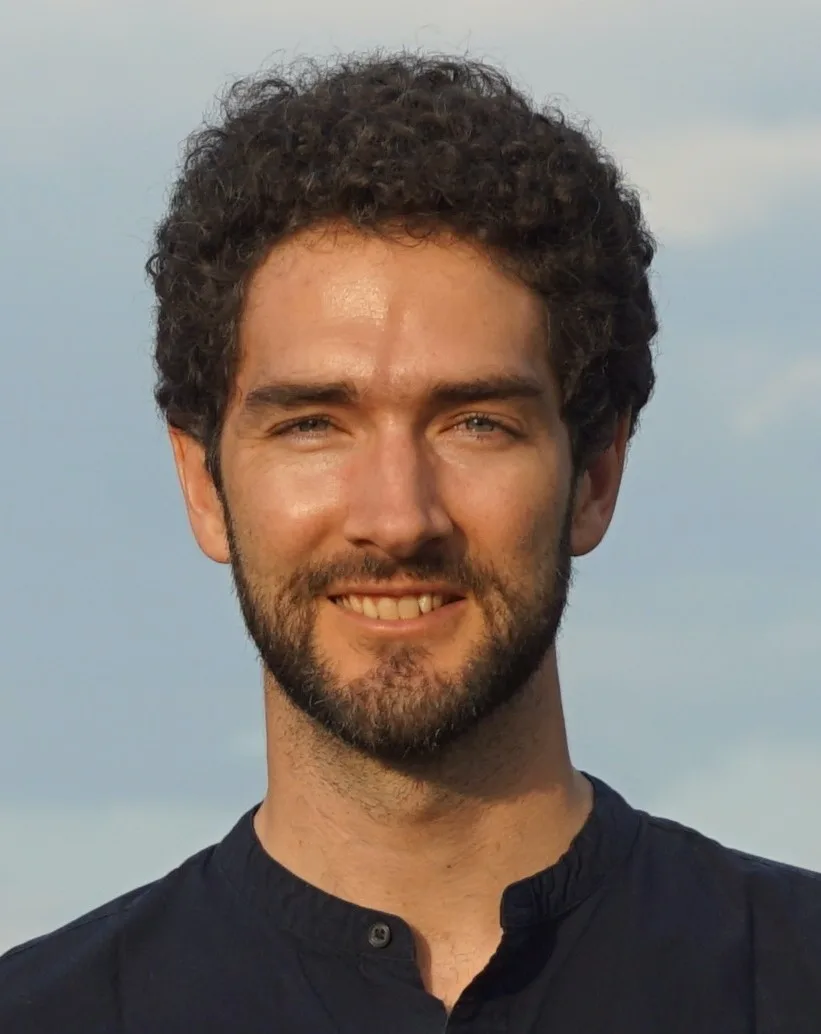
This is an exciting time for EarthScope: with the NGF award, it is poised to set the standards for modern, fast and simple geophysical data access at a national and global level. My perspective on this potential is somewhat unique: from 2021–2023, I served as the chair of WInSAR (the Western North America InSAR Consortium), where I helped guide the coordination and maintenance of its large archive of community-accessible satellite radar data, and facilitated its merger with EarthScope in 2023. SAR and InSAR data products have not traditionally been seen as a primary component of EarthScope’s offerings, but with this merger there is a potential for EarthScope to serve as a hub for community-driven InSAR data products, and to help set the standards for interoperable data formats as it has long done for both GNSS and seismic data. As a board member, I would make it my priority to ensure EarthScope takes full advantage of this opportunity to become a community leader in facilitating access to all types of geophysical data.